
Why Small Sewer Line Cracks Become Bigger Problems in Summer
A small crack in a sewer line may not seem like an urgent issue at first. In many cases, property owners don’t even realize the damage exists until symptoms begin appearing months later. But during the summer, changing soil conditions, increased water usage, and active root growth can all turn minor pipe damage into a much larger problem.
For homeowners, management companies, and commercial properties, understanding how small sewer line cracks worsen over time can help prevent expensive repairs and unexpected disruptions. Catching these issues early often makes it possible to restore the pipe using trenchless repair methods before major structural damage occurs.
How Heat and Dry Soil Movement Affect Underground Pipes
Summer weather changes the ground conditions surrounding underground sewer lines. As temperatures rise and the soil dries out, the earth around pipes can begin to shift and contract. This movement places stress on pipes that may already have small weaknesses.
Several seasonal factors contribute to pipe movement during summer:
- Dry soil shrinkage reduces support around underground pipes
- Repeated expansion and contraction from temperature changes stresses joints and pipe walls
- Increased outdoor water usage adds more flow through aging systems
- Soil settling can cause sections of pipe to misalign over time
Even a hairline crack can become larger when the surrounding soil shifts. Older pipe materials such as clay, cast iron, or Orangeburg piping are especially vulnerable because years of wear have already weakened their structure.
In some cases, these small cracks eventually develop into larger separations or a broken pipe under slab or foundation areas. Because these pipes are underground, the damage often continues unnoticed until drainage problems begin affecting the property.
Why Small Cracks Allow Roots and Groundwater to Enter Sewer Lines
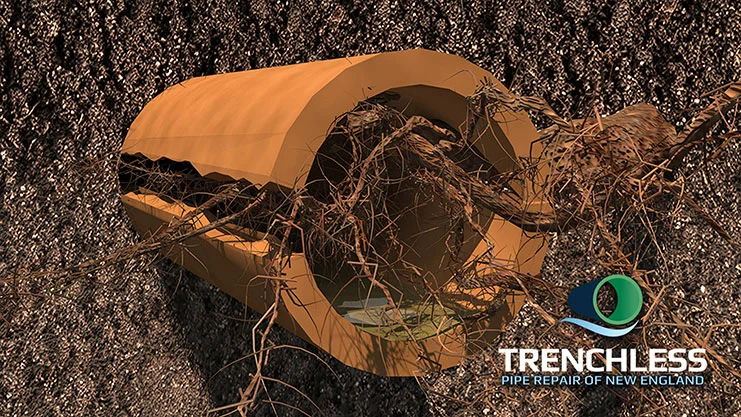
Once a crack forms in a sewer line, it creates an opening for outside elements to enter the system. Tree roots and groundwater are two of the most common sources of ongoing damage.
Roots naturally search for moisture during summer months, and even the smallest crack can attract them. Once roots enter the pipe, they continue expanding inside the line, trapping debris and restricting flow.
At the same time, groundwater can seep through damaged areas and place added stress on the sewer system. This infiltration may seem minor initially, but over time it contributes to larger structural problems.
Common issues caused by small cracks include:
- Recurring clogs caused by trapped debris and roots
- Slow drains throughout the property
- Joint separation as roots force openings wider
- Pipe corrosion and deterioration from ongoing moisture exposure
For commercial and multi-unit properties, these issues often affect multiple fixtures or units at once. What begins as a small defect in one section of pipe can eventually create widespread drainage problems throughout the building.
This is why even minor pipe damage should not be ignored. Once roots and groundwater gain access to the system, the deterioration process tends to accelerate quickly.
Signs a Minor Pipe Issue Is Becoming a Structural Problem
Small sewer line cracks rarely stay small forever. As summer conditions place additional stress on underground pipes, minor defects can gradually turn into larger structural failures. Recognizing the warning signs early can help prevent more serious damage and costly repairs.
Common signs that a pipe issue is getting worse include:
- Recurring drain backups that continue returning after clearing
- Slow drainage affecting multiple fixtures
- Gurgling sounds from toilets or drains
- Sewer odors inside or outside the property
- Wet spots or unusually green grass above underground lines
- Cracks or settling in driveways, patios, or flooring
When these symptoms appear together, it often means the sewer line has developed larger separations, root intrusion, or structural deterioration.
For multi-unit buildings and commercial properties, these issues may become noticeable through repeated tenant complaints or system-wide drainage problems. In residential properties, homeowners may notice that temporary fixes stop working as effectively over time.
The longer these conditions are ignored, the greater the chance the damage will spread beneath the property.
How UV-Cured Trenchless Liners Seal and Strengthen Damaged Pipes
Traditional sewer repairs often require excavation to access damaged underground pipes. For many property owners, that means concerns about torn-up landscaping, damaged hardscaping, or disruption to the building itself.
Modern trenchless repair technology provides a far less invasive solution. Using advanced UV-cured liners, we can restore the structural integrity of damaged sewer lines from the inside.
This process involves inserting a resin-saturated liner into the existing pipe. A specialized UV light then cures the material, creating a seamless new pipe within the old one.
UV-cured trenchless liners help by:
- Sealing cracks and joint separations
- Preventing groundwater infiltration
- Blocking future root intrusion
- Reinforcing weakened pipe walls
- Improving long-term flow performance
Because this is a no dig solution, the repair can often be completed without major excavation. This makes trenchless methods especially valuable for pipes located beneath foundations, driveways, sidewalks, or landscaped areas.
Instead of replacing the entire pipe, trenchless rehabilitation restores the existing line while minimizing disruption to the property.
Why Early Repair Reduces Long-Term Property Damage and Costs
One of the biggest mistakes property owners make is waiting too long to address sewer line damage. Small cracks may not seem urgent at first, but they can quickly worsen during the summer due to soil movement, root growth, and increased system usage.
Early repair helps prevent:
- Larger structural pipe failures
- Water damage to foundations and surrounding structures
- Soil erosion around underground lines
- Emergency sewer backups
- Higher repair and restoration costs
Addressing problems early also gives property owners more repair options. Minor structural issues can often be rehabilitated with trenchless lining before the pipe deteriorates beyond repair.
For commercial and multi-unit properties, proactive repairs help reduce downtime and minimize disruptions for tenants, customers, or employees.
By taking action sooner rather than later, property owners can extend the lifespan of their sewer system and avoid much larger repair projects in the future.
Protect Your Sewer System Before Small Problems Spread
Summer conditions can turn small sewer line cracks into much larger structural problems if they’re left untreated. Heat, dry soil movement, root intrusion, and increased system demand all place additional stress on underground pipes during this time of year.
Recognizing the warning signs early and addressing damage proactively can help prevent costly repairs, property damage, and recurring drainage issues. With modern trenchless technology, many sewer lines can now be restored without excavation or major disruption to your property.
If you’re noticing recurring clogs, sewer odors, or signs of underground pipe damage, we’re here to help. Reach out today to contact us to learn how our trenchless pipe repair solutions can restore and protect your sewer system for the long term.
Contact
Our Team Today
For more information about us or any of our trenchless pipe repair or replacement services, get in touch with us at Trenchless Pipe Repair of New England today. Call our team or fill out the form to schedule an appointment. Make your stress our stress today and let us help you get back to normal life with your family or running your business and serving your own clients and worry about more important things…like how the New England Patriots or Boston Red Sox are going to do next year.