
Understanding the Difference Between Sewer Pipe Lining and Traditional Replacement
When an underground sewer line becomes damaged, many property owners assume the only solution is to dig up the existing pipe and replace it. While traditional sewer pipe replacement is sometimes necessary, advances in trenchless pipe repair have made it possible to rehabilitate many damaged sewer lines without extensive excavation.
At Trenchless Pipe Repair of NH, we help homeowners, businesses, and property managers understand their pipe repair options. Knowing the difference between traditional replacement and cured-in-place pipe (CIPP) lining can help you make an informed decision about protecting your property and restoring your sewer system.
How Traditional Sewer Pipe Replacement Works and When It May Be Necessary
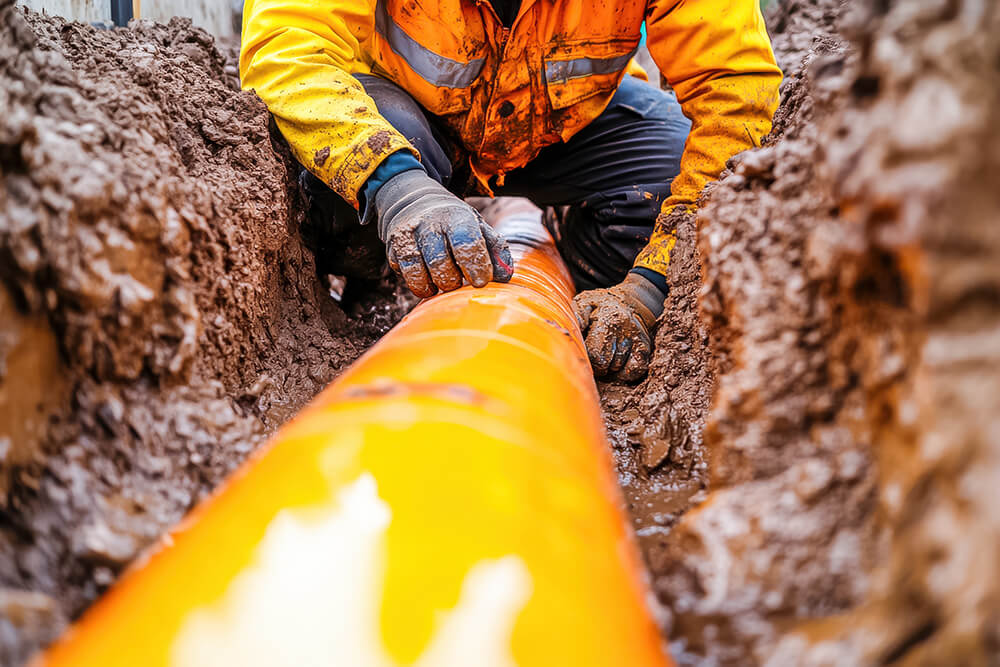
Traditional sewer pipe replacement involves excavating the ground to expose a damaged section of pipe, removing it, and installing new piping. Depending on the location of the sewer line, this process may require digging through lawns, driveways, sidewalks, or other developed areas.
Although traditional replacement can be effective, it often involves additional work beyond installing the new pipe. Landscaping, pavement, and other disturbed surfaces may need to be restored after the repair is complete.
Traditional replacement may be necessary when:
- Pipes have collapsed: Severe structural damage may prevent the existing pipe from supporting a new lining.
- Pipe alignment is compromised: Major shifting, separation, or improper slope may require excavation to correct.
- Damage is too extensive: Certain conditions may make trenchless rehabilitation unsuitable.
While excavation is sometimes unavoidable, it isn’t always necessary. Understanding the condition of the existing sewer line can help determine whether a less disruptive repair method is possible.
What Cured-in-Place Pipe Lining Is and How It Rehabilitates Existing Sewer Lines
Cured-in-place pipe lining is a trenchless repair method that restores qualifying damaged sewer pipes from the inside rather than removing and replacing them.
The process involves inserting a resin-saturated liner into the existing pipe. Once positioned, the liner is cured to form a durable, continuous lining within the original sewer line.
At Trenchless Pipe Repair of NH, we use UV curing technology to harden the liner and create a new interior pipe surface.
CIPP lining can address several common types of sewer pipe damage, including:
- Cracks and leaks in existing sewer lines
- Deteriorating pipe walls and damaged joints
- Structural defects in qualifying aging pipes
Because the original pipe generally remains in place, no-dig sewer pipe lining can reduce the need to disturb landscaping, concrete, and other property features. However, the pipe must be inspected to determine whether its condition and configuration are suitable for lining.
How UV Curing Technology Creates a Durable New Pipe Within the Old One
One of the advantages of modern trenchless pipe repair is the ability to rehabilitate damaged sewer lines without removing the existing pipe. At Trenchless Pipe Repair of NH, we use UV curing technology to create a strong, durable lining inside qualifying sewer pipes.
After inspecting and preparing the existing pipe, we insert a resin-saturated liner and position it against the interior walls. Specialized UV lights then cure the resin, creating a hardened lining that forms a new pipe within the original structure.
This process helps seal cracks, leaks, and damaged joints while restoring structural integrity. Because the lining is cured inside the existing sewer line, extensive excavation can often be avoided.
Comparing Excavation, Property Disruption, and Restoration Needs Between Repair Methods
The amount of disruption involved in a sewer pipe repair can vary depending on the method used and the location of the damage.
Traditional sewer pipe replacement typically requires digging to expose and remove damaged piping. When sewer lines run beneath driveways, sidewalks, landscaping, or building foundations, excavation can create additional restoration work.
Trenchless pipe lining uses existing access points whenever possible, reducing the need to disturb surrounding surfaces.
Potential advantages of trenchless repair include:
- Less excavation: Many repairs can be completed without digging along the entire sewer line.
- Reduced property damage: Landscaping, pavement, and other developed areas can often remain undisturbed.
- Less restoration work: Avoiding extensive excavation can reduce the need to rebuild or replace affected surfaces.
For homeowners, businesses, and property managers, these differences can make trenchless rehabilitation an appealing alternative when the existing pipe is suitable.
Factors That Determine Whether Trenchless Pipe Lining or Traditional Replacement Is Appropriate
Not every damaged sewer line can be repaired using the same method. Before recommending a solution, we evaluate the condition of the existing pipe to determine whether trenchless rehabilitation is appropriate.
Several factors influence the repair method:
- Extent of damage: Cracks and deterioration may be suitable for lining, while severely collapsed sections may require replacement.
- Pipe alignment: Major shifts, low spots, or improper slope may require additional corrective work because lining does not correct these conditions.
- Pipe accessibility: Available access points and the pipe’s configuration can affect whether trenchless equipment can be used.
- Existing pipe material: The material and condition of the sewer line help determine which rehabilitation methods are suitable.
A sewer camera inspection helps us identify these conditions and recommend a repair approach based on the actual problem rather than assuming excavation is necessary.
Find the Right Sewer Pipe Repair Solution for Your Property
Choosing between traditional sewer pipe replacement and trenchless pipe lining depends on the condition, location, and structural integrity of your existing sewer line. Understanding the differences can help you avoid unnecessary excavation while addressing damage before it becomes more extensive.
At Trenchless Pipe Repair of NH, we specialize in zero-dig pipe repair and UV-cured sewer pipe rehabilitation for qualifying residential and commercial properties. If you’re dealing with a damaged sewer line or exploring alternatives to traditional replacement, contact us to discuss your pipe repair needs and learn whether trenchless rehabilitation is right for your property.
Contact
Our Team Today
For more information about us or any of our trenchless pipe repair or replacement services, get in touch with us at Trenchless Pipe Repair of New England today. Call our team or fill out the form to schedule an appointment. Make your stress our stress today and let us help you get back to normal life with your family or running your business and serving your own clients and worry about more important things…like how the New England Patriots or Boston Red Sox are going to do next year.