
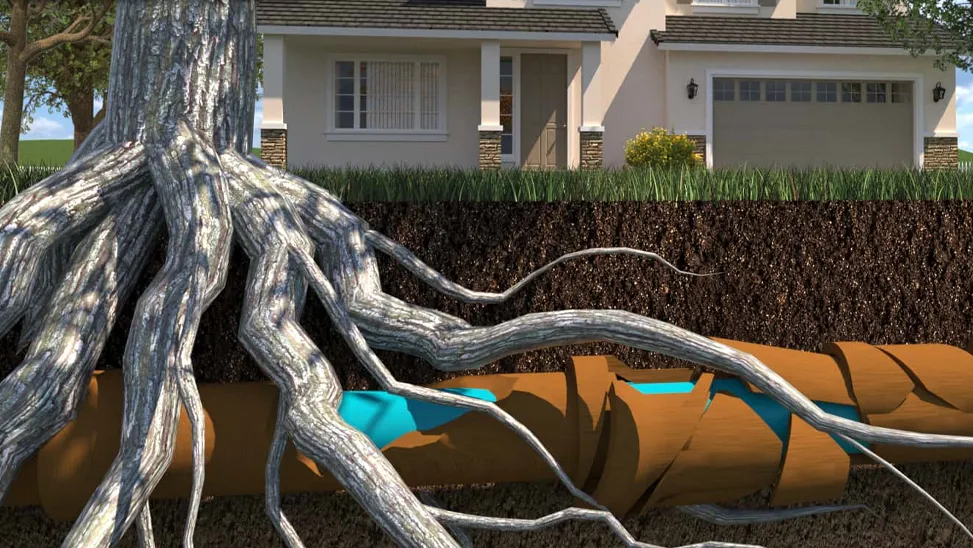
Owning or managing an older home or building often comes with hidden plumbing challenges. While these properties may be full of charm and history, their underground systems weren’t built for today’s demands. Aging pipes can crack, corrode, or collapse with little warning—especially when stressed by modern usage or seasonal conditions. That’s why it’s important to understand the vulnerabilities in older infrastructure and know how to address them without tearing up floors, walls, or landscaping.
Materials Used in Aging Pipes and Their Risks
Many older properties still rely on pipe materials that are no longer considered durable or safe. If your home or building was constructed before the 1980s, there’s a good chance the original plumbing included:
- Clay: Prone to cracking and root intrusion due to its porous nature and weak joints.
- Cast iron: Strong when new, but highly susceptible to internal corrosion and scaling over time.
- Orangeburg (bituminous fiber): A low-cost material used in mid-20th century homes that deteriorates rapidly under pressure.
- Galvanized steel: Often used for water lines, this material corrodes internally and restricts flow as it ages.
These materials were suitable for the time, but most have reached or exceeded their expected lifespan. With time, they become brittle, collapse under shifting soil, or leak at the joints. Left unaddressed, they can lead to larger system failures or structural damage.
How Outdated Sewer Lines Fail Under Modern Usage
When older sewer lines were installed, they weren’t designed for today’s water volume or waste loads. Over the years, changes in plumbing fixtures, appliances, and occupancy patterns have increased demand on these outdated systems. Common issues we see in older properties include:
- Frequent clogs: Smaller pipe diameters and internal buildup reduce flow and make backups more likely.
- Grease and debris accumulation: Older pipes are more prone to blockages due to irregular surfaces and deterioration inside the pipe walls.
- Poor ventilation: Legacy plumbing systems may lack proper venting, causing pressure issues and slow drainage.
- Collapsed lines: Years of ground movement, root pressure, and corrosion can lead to full pipe collapse without warning.
Even if these systems have “worked fine” for decades, they often reach a point where small issues become major ones. That’s why proactive inspection and repair can save time, money, and property damage.
Why Trenchless Methods Are Ideal for Older Infrastructure
When working with aging buildings, the goal is always to preserve as much of the original structure as possible. That’s where trenchless repair shines. Rather than digging up flooring, landscaping, or historic materials, trenchless techniques restore function from the inside of the pipe—making them ideal for older homes, apartment buildings, and commercial properties.
Our zero-dig approach uses UV-cured pipe lining to create a new seamless liner inside your existing pipes. This method strengthens the structure, seals any cracks or corrosion, and keeps everything in place without disrupting finishes or surfaces. With trenchless repair, we’re able to maintain the character of your property while solving the underground problem for good.
Early Symptoms of Damage in Legacy Systems
Old pipes rarely fail overnight—they give us signs first. Being aware of those early symptoms can help you avoid a much larger issue later. If your home or building is more than 40 years old, watch for these red flags:
- Slow drains in multiple fixtures, which could point to internal pipe buildup or partial collapse.
- Recurring clogs that keep coming back despite frequent snaking or clearing.
- Musty or damp odors coming from basements or crawlspaces, possibly from a hidden leak.
- Backups or pooling water in the yard, especially after rain or heavy usage.
- Visible rust or corrosion on exposed piping inside the building.
If you’re seeing these issues—or if your property hasn’t had a sewer inspection in years—it’s time to have your system checked.
How We Repair Without Damaging Historical or Finished Features
We understand that many older buildings have features that can’t easily be replaced—whether it’s vintage tile, original hardwood, landscaped yards, or masonry walkways. That’s why we prioritize non-invasive solutions whenever possible. Our trenchless process allows us to:
- Access your system through small entry points like cleanouts or utility areas
- Inspect pipes using advanced camera technology—no need to dig
- Repair interior pipe damage with UV-cured liners, restoring flow without removing walls or flooring
- Maintain the look and layout of your property throughout the project
It’s all part of providing a solution that respects your home or building’s structure while delivering long-term results.
Protect Your Investment Without the Mess
Whether you’re maintaining a historic home, managing a multi-unit property, or just living in an older building, proactive care of your underground plumbing can prevent serious damage and save you from expensive excavation. With trenchless repair and UV curing, we offer durable, no-dig solutions that solve hidden pipe issues while preserving what makes your property unique.
If you’ve noticed signs of trouble—or if you’re just not sure what condition your pipes are in contact us to schedule an inspection. We’ll help you understand what’s going on underground and guide you toward the best repair option for your system.
Contact
Our Team Today
For more information about us or any of our trenchless pipe repair or replacement services, get in touch with us at Trenchless Pipe Repair of New England today. Call our team or fill out the form to schedule an appointment. Make your stress our stress today and let us help you get back to normal life with your family or running your business and serving your own clients and worry about more important things…like how the New England Patriots or Boston Red Sox are going to do next year.