
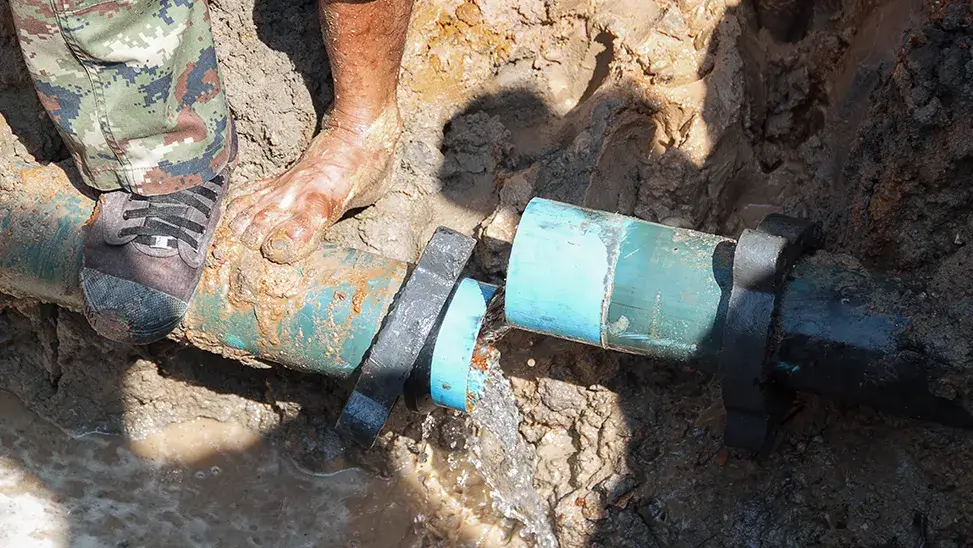
Soil is constantly shifting beneath the surface—especially during seasonal changes—and these shifts can have a real impact on the health of your underground pipes. As temperatures rise or fall, and as heavy rain saturates or drains from the ground, the density and stability of the soil around your plumbing system can change. These fluctuations create pressure points and voids that your pipes may not be equipped to handle.
For example, during extended rainstorms, the ground can become waterlogged and heavy, increasing the load on pipes and putting extra stress on joints. In contrast, dry spells can cause soil to shrink and pull away from the pipe, creating gaps that lead to misalignment. Over time, this constant expansion and contraction can weaken the structural integrity of your system, even if the damage isn’t immediately visible.
Older Pipes Are More Vulnerable to Ground Shifts
While all pipes are at some risk from shifting soil, older materials are more likely to show signs of damage first. Clay, cast iron, and Orangeburg pipes—commonly used in homes built before the 1980s—tend to be more brittle and less forgiving when the ground moves. When subjected to external pressure or movement, these materials may crack, collapse, or become disjointed at the seams.
Even newer pipe systems aren’t immune. Plastic pipes like PVC and ABS can flex a little more than traditional materials, but they still rely on proper installation and support. If the soil underneath settles or erodes due to water flow or changes in temperature, it can leave parts of the pipe unsupported and vulnerable to stress.
The key issue is that this kind of damage doesn’t happen overnight. It’s a gradual process that often goes unnoticed—until you’re facing serious symptoms like backups, blockages, or even flooding.
Common Signs of Pipe Damage from Shifting Soil
Damage caused by soil shifts often goes unnoticed at first, but there are warning signs that property owners can watch for. These issues may seem minor on the surface but can point to serious underlying problems:
- Frequent clogs or slow drainage: A sign that your pipes may be misaligned or partially collapsed.
- Wet spots or soggy areas in your yard: Can indicate a leak from a buried pipe that’s been cracked by ground movement.
- Foul odors coming from drains or around the property: Suggests a break in a sewer line where gases are escaping.
- Sudden drop in water pressure: May mean a pipe has shifted or broken underground.
- Cracks in your foundation or driveway: Could be related to soil instability caused by a leaking underground pipe.
These issues typically worsen over time, so it’s best to investigate sooner rather than later.
How Trenchless Repair Fixes Damage Without Digging
Traditional pipe repair often involves excavation, which can be time-consuming, costly, and destructive to your landscaping, hardscaping, or foundation. That’s where trenchless repair comes in. Our zero dig methods restore underground pipes without tearing up your yard or disrupting your property.
One of the most effective trenchless options we use is UV-cured pipe lining. This involves inserting a resin-saturated liner into the damaged pipe, positioning it precisely, and curing it with ultraviolet light. The result is a durable, seamless pipe within the existing line—no excavation required.
Trenchless repairs are ideal for damage caused by soil shifts because they:
- Stabilize the existing pipe structure
- Seal cracks and restore flow
- Reinforce weakened areas without needing to remove the original pipe
- Reduce project time and property disruption
Seasonal Inspections Help You Stay Ahead of Problems
The best way to prevent long-term pipe damage from soil movement is to schedule routine inspections—especially around times of year when the weather is likely to change. In New England, that means spring and fall are critical windows for catching problems early.
A professional camera inspection can reveal:
- Cracks or joint separation
- Root intrusion caused by shifting soil
- Debris buildup that restricts flow
- Early signs of collapse or misalignment
These inspections give us a clear picture of what’s happening underground and allow us to recommend the right zero dig repair before damage escalates.
Protect Your Pipes from Seasonal Stress
Seasonal shifts in soil and weather are inevitable—but major pipe failures don’t have to be. Understanding how environmental changes affect underground plumbing is the first step toward protecting your system. With trenchless solutions like UV-cured lining, we can repair damage efficiently and without digging up your yard or disrupting your home or business.
If you’ve noticed slow drains, unusual odors, or signs of pipe stress around your property, it’s time to get ahead of the problem. Contact us today to schedule an inspection or learn more about our trenchless pipe repair services.
Contact
Our Team Today
For more information about us or any of our trenchless pipe repair or replacement services, get in touch with us at Trenchless Pipe Repair of New England today. Call our team or fill out the form to schedule an appointment. Make your stress our stress today and let us help you get back to normal life with your family or running your business and serving your own clients and worry about more important things…like how the New England Patriots or Boston Red Sox are going to do next year.