
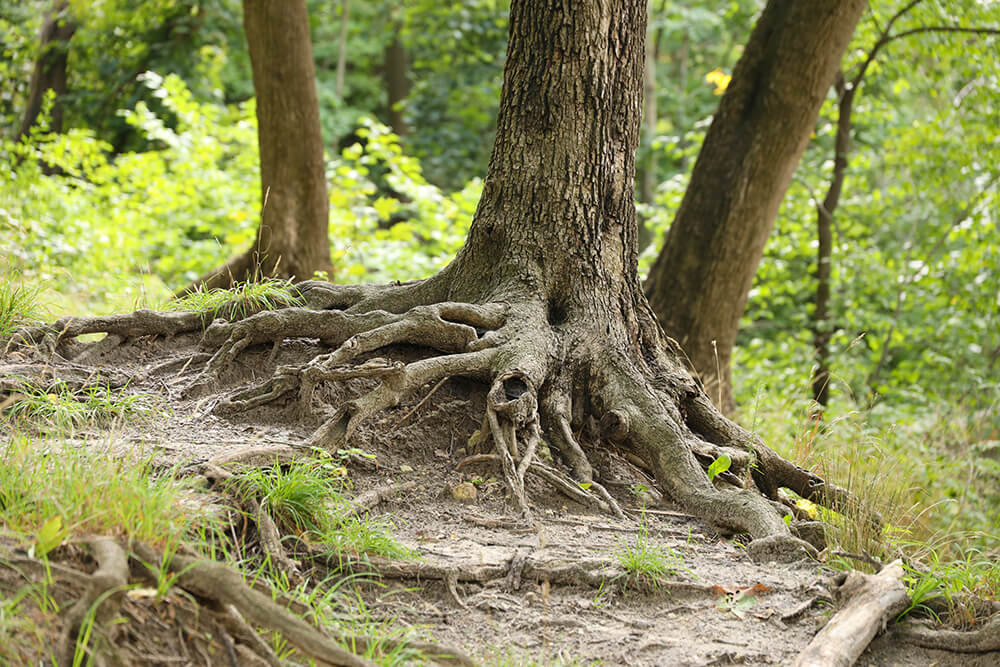
As spring settles in and temperatures rise, trees and plants shift into a period of rapid growth. While this is great for your landscape, it can create serious challenges for underground sewer and drain systems. Many property owners are surprised to learn that tree roots are one of the most common causes of pipe damage—especially in older systems.
Roots don’t break into pipes by chance. They’re drawn to moisture, and your sewer line is often one of the most reliable sources available. Over time, even small openings in a pipe can allow roots to enter, grow, and create blockages or structural damage. Understanding how and why this happens can help you recognize the warning signs early and explore long-term solutions like trenchless repair before the problem worsens.
Why Roots Actively Seek Moisture During Late Spring
In late spring, trees and plants require more water to support new growth. As a result, their root systems expand outward in search of consistent moisture sources. Underground sewer and drain lines naturally attract roots because they carry water and nutrients year-round.
Several factors make sewer lines especially appealing to roots:
- Consistent moisture compared to surrounding soil
- Warmer temperatures inside pipes, even during cooler weather
- Nutrient-rich wastewater that supports growth
- Condensation on pipe surfaces that signals a water source
As the soil becomes more active in spring, roots grow more aggressively and travel further distances. Even if a tree is not directly above your sewer line, its roots can still reach and impact the pipe.
For properties with mature landscaping or older infrastructure, this seasonal growth can increase the risk of intrusion. Once roots locate a moisture source, they will continue to expand toward it, applying pressure to any weak points along the pipe.
How Roots Enter Pipes Through Small Cracks or Joints
Tree roots don’t need a large opening to get inside a pipe. In many cases, they begin with extremely small entry points—often invisible from the surface. Over time, these entry points grow larger as roots expand within the pipe.
Common access points include:
- Hairline cracks in aging pipe materials
- Loose or separated joints caused by soil movement
- Corroded sections of metal pipes
- Connection points between pipe segments
Once inside, roots continue to grow and spread. They create a network that traps debris such as grease, paper products, and sediment. This buildup gradually restricts flow and leads to recurring clogs.
As root growth continues, it can force cracks to widen or joints to separate further. In more advanced cases, the pressure can cause sections of the pipe to collapse or shift out of alignment.
For many property owners, this process happens slowly and goes unnoticed until symptoms begin to appear. What starts as a small intrusion can eventually lead to a broken pipe under slab or foundation areas if it’s not addressed.
Signs of Root Intrusion in Sewer and Drain Systems
Root intrusion often develops gradually, which means the warning signs can start out subtle before becoming more serious. Recognizing these early indicators can help you address the issue before it leads to major pipe damage.
Common signs of root intrusion include:
- Recurring clogs that return even after clearing
- Slow drainage across multiple fixtures
- Gurgling sounds coming from toilets or drains
- Unpleasant odors near drains or outside cleanouts
- Wet or overly green areas in your yard along the sewer line
For multi-unit buildings or commercial properties, these issues may show up as complaints from different units at the same time. That’s often a sign the main sewer line is affected rather than a single drain.
Because roots continue to grow once they’ve entered the pipe, these symptoms tend to worsen over time. What starts as an occasional clog can quickly turn into a more frequent and disruptive problem.
Long Term Damage Caused by Untreated Root Growth
If root intrusion is left untreated, the damage can extend far beyond simple blockages. As roots expand inside the pipe, they apply pressure to the surrounding structure and exploit any existing weaknesses.
Over time, this can lead to:
- Widening cracks and further joint separation
- Pipe misalignment due to shifting soil and root pressure
- Partial or full pipe collapse in severe cases
- Increased groundwater infiltration through damaged areas
In more advanced situations, root damage can contribute to a broken pipe under foundation or slab areas. These types of repairs can become more complex if the issue is allowed to progress unchecked.
Beyond structural concerns, untreated root growth can also impact the surrounding property. Leaks may lead to soil erosion, foundation moisture, or damage to landscaping and hardscaping.
Addressing root intrusion early helps prevent these larger issues and keeps your sewer system functioning as it should.
How Trenchless Repair and Pipe Lining Prevent Future Intrusion
Once root intrusion is identified, simply clearing the roots is often not enough. While pipe clearing can temporarily restore flow, it doesn’t address the openings that allowed the roots to enter in the first place.
That’s where trenchless repair and pipe lining provide a long-term solution.
Using advanced UV-cured liners, we can create a new, seamless pipe inside the existing one. This process:
- Seals cracks and joint separations where roots entered
- Creates a smooth interior surface that resists buildup
- Blocks future root intrusion by eliminating entry points
- Strengthens the pipe structure for long-term performance
Because this is a no dig solution, we can complete the repair without disrupting your yard, driveway, or interior spaces. For homeowners and property managers alike, this means solving the problem without the added stress of excavation.
By addressing both the intrusion and the underlying structural issue, trenchless repair helps prevent roots from returning and reduces the likelihood of recurring drainage problems.
Stop Root Damage Before It Leads to Bigger Repairs
Tree root growth is a natural part of the spring season, but it can have a serious impact on underground sewer systems. Small entry points can quickly turn into larger structural problems as roots expand inside the pipe.
Recognizing the signs early and taking action can help protect your property from more extensive damage. With modern trenchless repair options, it’s possible to restore your sewer line and prevent future intrusion without disrupting your landscape or daily routine.
If you’re dealing with recurring clogs, slow drains, or suspect root intrusion, we’re here to help. Reach out today to contact us to learn how our trenchless pipe repair solutions can restore your system and provide lasting protection.
Contact
Our Team Today
For more information about us or any of our trenchless pipe repair or replacement services, get in touch with us at Trenchless Pipe Repair of New England today. Call our team or fill out the form to schedule an appointment. Make your stress our stress today and let us help you get back to normal life with your family or running your business and serving your own clients and worry about more important things…like how the New England Patriots or Boston Red Sox are going to do next year.