
What to Watch for When Damage Happens Below the Surface
Most pipe problems don’t start with a dramatic burst or a flooded yard. They usually begin beneath the surface—quiet, out of sight, and easy to miss until they’ve already caused damage. Whether you’re a homeowner, property manager, or business owner, recognizing the early signs of underground pipe failure can make all the difference. Catching a problem before it grows not only protects your property, but also opens the door to lower-cost, no-dig solutions like trenchless repair.
Hidden Warning Signs in Basements, Lawns, and Hardscaping
One of the earliest indicators of pipe issues is often changes in the areas surrounding them—especially your basement, yard, or paved surfaces.
In basements, be on the lookout for:
- Persistent musty smells or dampness near walls or floors
- Efflorescence—white, chalky residue on foundation walls
- Water stains in odd or unexpected places
Outdoors, you may see:
- Unusually soft or spongy areas of lawn even when it hasn’t rained
- Settling or dips forming in the ground above pipe routes
- Pavers or concrete slabs that are cracking, shifting, or lifting
These changes suggest moisture is seeping from below, and that slow leaks or pipe movement could be the cause. They don’t always point directly to a break, but they’re early signals that something isn’t right underground.
Unusual Odors, Recurring Clogs, or Pressure Drops Explained
While surface changes are one clue, the behavior of your plumbing system itself can tell a story.
Strange or unpleasant odors—especially those that linger near drains or low-lying areas—may point to leaking sewer gas. This often happens when cracks in pipes allow gases to escape, even if no wastewater has reached the surface.
Frequent or recurring clogs in multiple fixtures can indicate a deeper problem. While a single sink may clog due to normal use, simultaneous issues in toilets, tubs, and floor drains could mean a blockage or partial collapse in the main line.
Sudden drops in water pressure that don’t improve may suggest a hidden leak in the supply line. Over time, this can waste water, increase bills, and erode surrounding soil—leading to more pipe movement and larger repairs.
When these problems persist even after routine plumbing fixes, it’s worth investigating further. That’s where trenchless inspection and repair methods can help.
How Shifting Soil and Seasonal Changes Reveal Pipe Weaknesses
New England weather can be tough on underground plumbing. As the ground freezes, thaws, and absorbs seasonal rainfall, soil movement can put serious pressure on buried pipes. This stress may cause pipes to:
- Shift out of alignment
- Separate at joints
- Crack or collapse under uneven weight
Older systems are especially vulnerable, particularly if the pipe material is outdated or already weakened. If you notice changes in your property—like new cracks in concrete, an uneven driveway, or growing low spots in your yard—it’s worth considering how shifting soil may be affecting the pipes beneath the surface.
When Camera Inspections Make Sense for Your Property
A pipe camera inspection is one of the most effective tools we use to find out what’s really going on underground. It allows us to:
- Pinpoint leaks, cracks, or blockages without digging
- Identify the type and condition of your existing pipe
- Check for buildup, corrosion, or invasive roots
This process is fast, non-invasive, and helps rule out guesswork. If you’ve been dealing with recurring drainage issues or unexplained symptoms around your home or commercial property, an inspection can provide answers and guide next steps.
Options for Trenchless Repair Before Damage Gets Worse
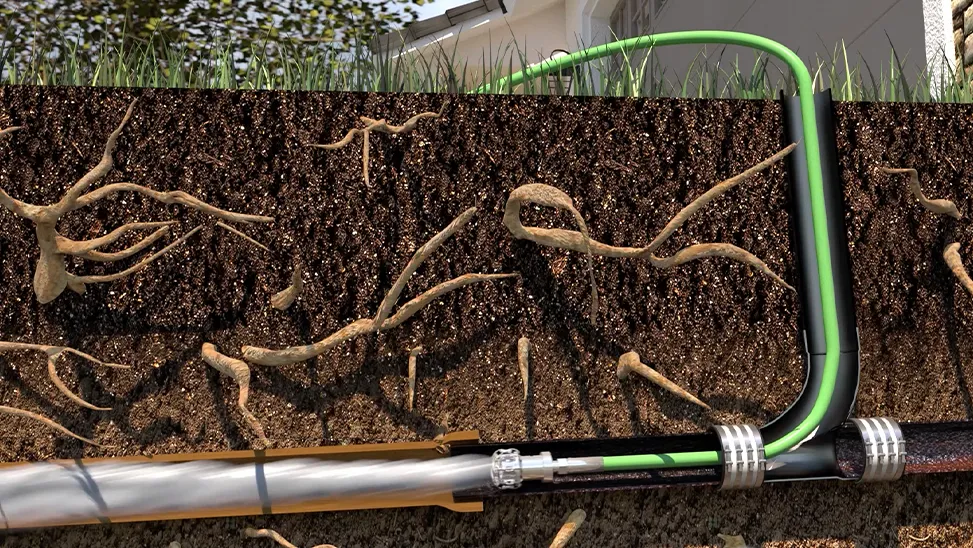
If inspection reveals a problem, trenchless repair methods offer a solution that doesn’t involve tearing up your lawn, patio, or driveway. One of the most advanced options we offer is UV-cured pipe lining, which works by inserting a flexible liner into the existing pipe and curing it with UV light to form a durable, seamless new pipe inside.
Trenchless repair is ideal when:
- You want to avoid excavation or heavy machinery
- Your pipes run beneath finished spaces or landscaping
- You’re looking for a fast, long-lasting fix with minimal disruption
These solutions are built to last and can be completed with little interruption to your home or business.
Don’t Wait for Small Issues to Become Big Repairs
Pipe problems don’t go away on their own—and waiting often means more damage, more disruption, and more expense. Whether you’ve noticed warning signs or just want peace of mind, a non-invasive inspection is the best place to start.
We specialize in no-dig trenchless pipe repair that protects your property while solving the problem at its source. If you’re ready to get answers or need expert guidance on your next steps, contact us today. We’re here to help you catch issues early, avoid excavation, and keep your system running smoothly.
How Shifting Soil and Seasonal Changes Reveal Pipe Weaknesses
New England weather can be tough on underground plumbing. As the ground freezes, thaws, and absorbs seasonal rainfall, soil movement can put serious pressure on buried pipes. This stress may cause pipes to:
- Shift out of alignment
- Separate at joints
- Crack or collapse under uneven weight
Older systems are especially vulnerable, particularly if the pipe material is outdated or already weakened. If you notice changes in your property—like new cracks in concrete, an uneven driveway, or growing low spots in your yard—it’s worth considering how shifting soil may be affecting the pipes beneath the surface.
When Camera Inspections Make Sense for Your Property
A pipe camera inspection is one of the most effective tools we use to find out what’s really going on underground. It allows us to:
- Pinpoint leaks, cracks, or blockages without digging
- Identify the type and condition of your existing pipe
- Check for buildup, corrosion, or invasive roots
This process is fast, non-invasive, and helps rule out guesswork. If you’ve been dealing with recurring drainage issues or unexplained symptoms around your home or commercial property, an inspection can provide answers and guide next steps.
Options for Trenchless Repair Before Damage Gets Worse
If inspection reveals a problem, trenchless repair methods offer a solution that doesn’t involve tearing up your lawn, patio, or driveway. One of the most advanced options we offer is UV-cured pipe lining, which works by inserting a flexible liner into the existing pipe and curing it with UV light to form a durable, seamless new pipe inside.
Trenchless repair is ideal when:
- You want to avoid excavation or heavy machinery
- Your pipes run beneath finished spaces or landscaping
- You’re looking for a fast, long-lasting fix with minimal disruption
These solutions are built to last and can be completed with little interruption to your home or business.
Don’t Wait for Small Issues to Become Big Repairs
Pipe problems don’t go away on their own—and waiting often means more damage, more disruption, and more expense. Whether you’ve noticed warning signs or just want peace of mind, a non-invasive inspection is the best place to start.
We specialize in no-dig trenchless pipe repair that protects your property while solving the problem at its source. If you’re ready to get answers or need expert guidance on your next steps, contact us today. We’re here to help you catch issues early, avoid excavation, and keep your system running smoothly.
Contact
Our Team Today
For more information about us or any of our trenchless pipe repair or replacement services, get in touch with us at Trenchless Pipe Repair of New England today. Call our team or fill out the form to schedule an appointment. Make your stress our stress today and let us help you get back to normal life with your family or running your business and serving your own clients and worry about more important things…like how the New England Patriots or Boston Red Sox are going to do next year.