
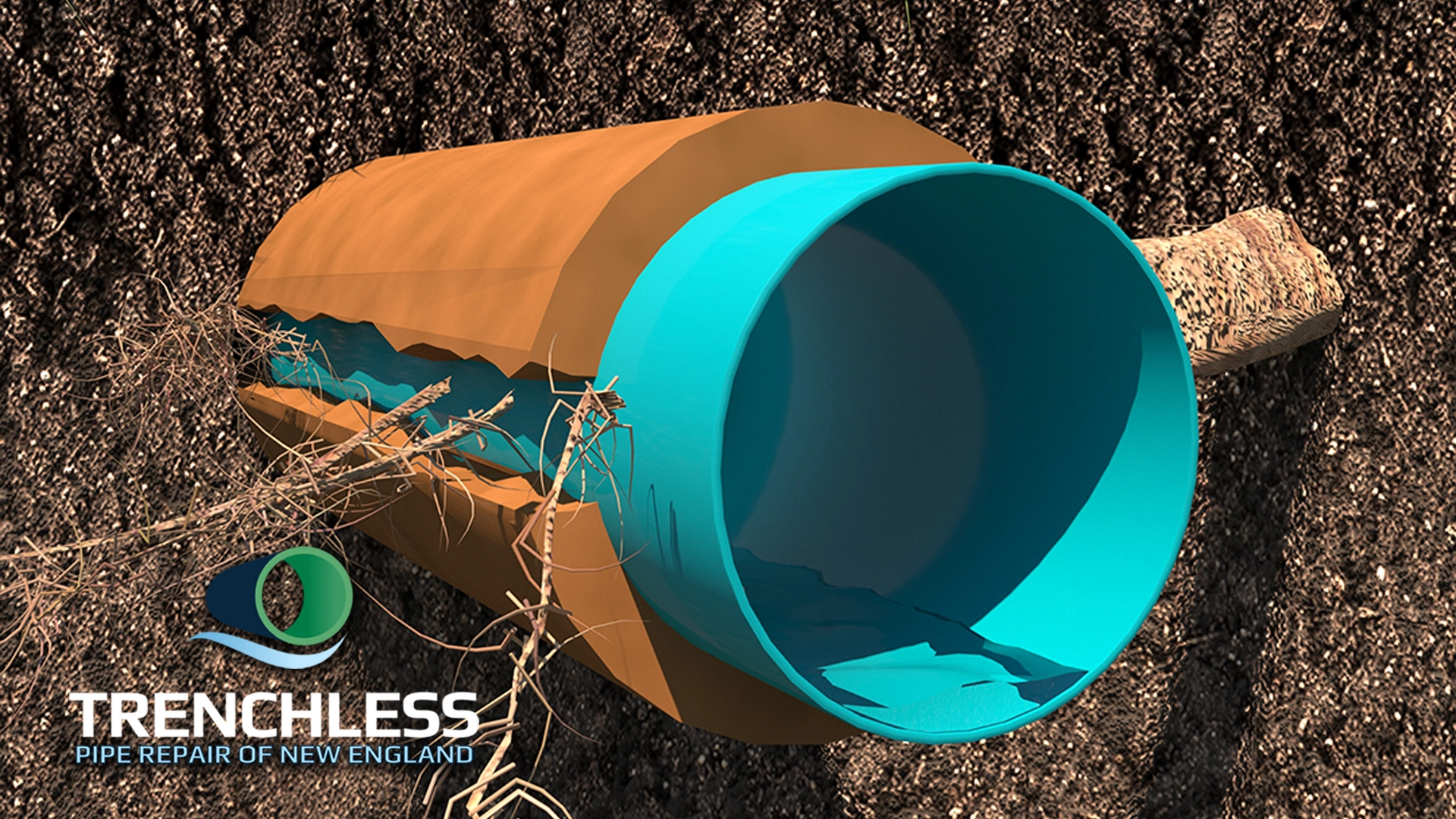
Why Drain Line Age Matters in Larger Buildings
Many multi-unit buildings—whether apartment complexes, condominiums, or commercial properties—were built decades ago with pipe materials that simply weren’t made to handle today’s demands. Over time, those systems begin to show their age. Even if everything appears fine on the surface, slow-developing problems could be lurking underground.
For property managers and building owners, staying ahead of pipe issues isn’t just about convenience—it’s about avoiding costly repairs and keeping tenants safe and satisfied. Fall is the perfect time to assess these aging systems before winter adds extra strain. With trenchless repair options now available, it’s easier than ever to plan upgrades without interrupting daily operations.
Common Pipe Materials Found in Older Commercial Properties
Older buildings often contain drain lines made from materials that degrade over time. Some of the most common include:
- Cast iron: Durable but prone to rust and corrosion, especially in humid or wet environments.
- Clay: Brittle and highly vulnerable to cracking, shifting, or root intrusion.
- Orangeburg: A bituminous fiber pipe used mid-20th century—now known for collapsing and warping under pressure.
- Galvanized steel: Sometimes used in mixed systems, but susceptible to internal buildup and corrosion over time.
These materials may have been reliable decades ago, but modern water usage, cleaning products, and even the pressure from today’s appliances can wear them down faster than intended. When these pipes start to fail, the damage can spread through shared systems quickly.
How Shared Systems Increase Wear and Risk
In multi-unit buildings, all tenants rely on the same main drain lines. That shared use adds more wear than you’d typically see in a single-family home. Whether it’s a dozen units showering in the morning or a business complex with restrooms in constant use, the system doesn’t get much downtime.
More use means:
- Higher water volume and pressure stressing pipe joints and seams
- More debris entering the system from kitchen sinks, laundry, and bathrooms
- Faster buildup of soap scum, grease, and mineral deposits
- Greater chance of small issues spreading across the whole building
That increased usage also means that small cracks, blockages, or misalignments can become big problems fast. Catching early signs of system strain—and understanding what’s normal versus what’s not—can help avoid a major failure down the road.
Subtle Signs of System Strain to Watch For
Not every drain issue announces itself with a full-blown backup or flood. In fact, some of the most serious problems start with quiet signs that are easy to overlook. If you’re responsible for a multi-unit property, paying attention to these early red flags can help you stay ahead of major repairs:
- Frequent clogs or slow drains in more than one unit
- Gurgling or bubbling noises coming from drains or toilets
- Unpleasant odors in hallways, basements, or common areas
- Sudden dips in water pressure that affect multiple fixtures
- Recurring maintenance calls for similar plumbing issues across units
These signs often point to problems deeper in the shared system—especially in older buildings where pipes may already be compromised by age, corrosion, or past patchwork fixes.
Zero-Dig Repair Methods That Minimize Tenant Disruption
If the idea of tearing up walls, floors, or landscaping sounds overwhelming, you’re not alone. Traditional pipe replacement methods can cause major disruption, especially in occupied buildings. That’s why trenchless, zero-dig solutions are a game-changer for multi-unit properties.
We use advanced trenchless technology to:
- Inspect your system using high-definition cameras—no demolition required
- Pinpoint damage quickly and accurately
- Install a UV-cured seamless liner inside the existing pipe structure
- Restore flow and function without excavation or long downtime
Because the repair happens from the inside, your tenants won’t experience major disruption. There’s no need to relocate residents or close off large sections of the property during the process.
Why Fall Is the Ideal Time to Plan a System Update
Fall is one of the best times to schedule inspections and repairs, especially in New England. The weather is cooler but still dry, and your building’s systems aren’t under the same stress they’ll face in winter. Snow, ice, and freezing temperatures only make existing problems worse—and increase the chance of emergency repairs at the worst possible time.
Proactive planning in the fall allows you to:
- Catch damage early before winter causes pipes to contract or shift further
- Complete repairs while access is easier and scheduling is more flexible
- Give tenants peace of mind going into colder months
Even if you’re not ready for a full replacement, an inspection now can give you a clear picture of your system’s condition and help you prioritize the most urgent needs.
Plan Ahead Without the Headaches
Aging drain lines in multi-unit buildings don’t have to lead to expensive, disruptive repairs. With trenchless technology, we can inspect, diagnose, and restore your system with minimal impact on tenants or daily operations. If you’re starting to notice the signs—or if it’s just been a while since your last inspection—fall is the perfect time to act.
To schedule an inspection or learn more about our zero-dig solutions, contact us today. We’re here to help you protect your property, your tenants, and your peace of mind.
Contact
Our Team Today
For more information about us or any of our trenchless pipe repair or replacement services, get in touch with us at Trenchless Pipe Repair of New England today. Call our team or fill out the form to schedule an appointment. Make your stress our stress today and let us help you get back to normal life with your family or running your business and serving your own clients and worry about more important things…like how the New England Patriots or Boston Red Sox are going to do next year.