
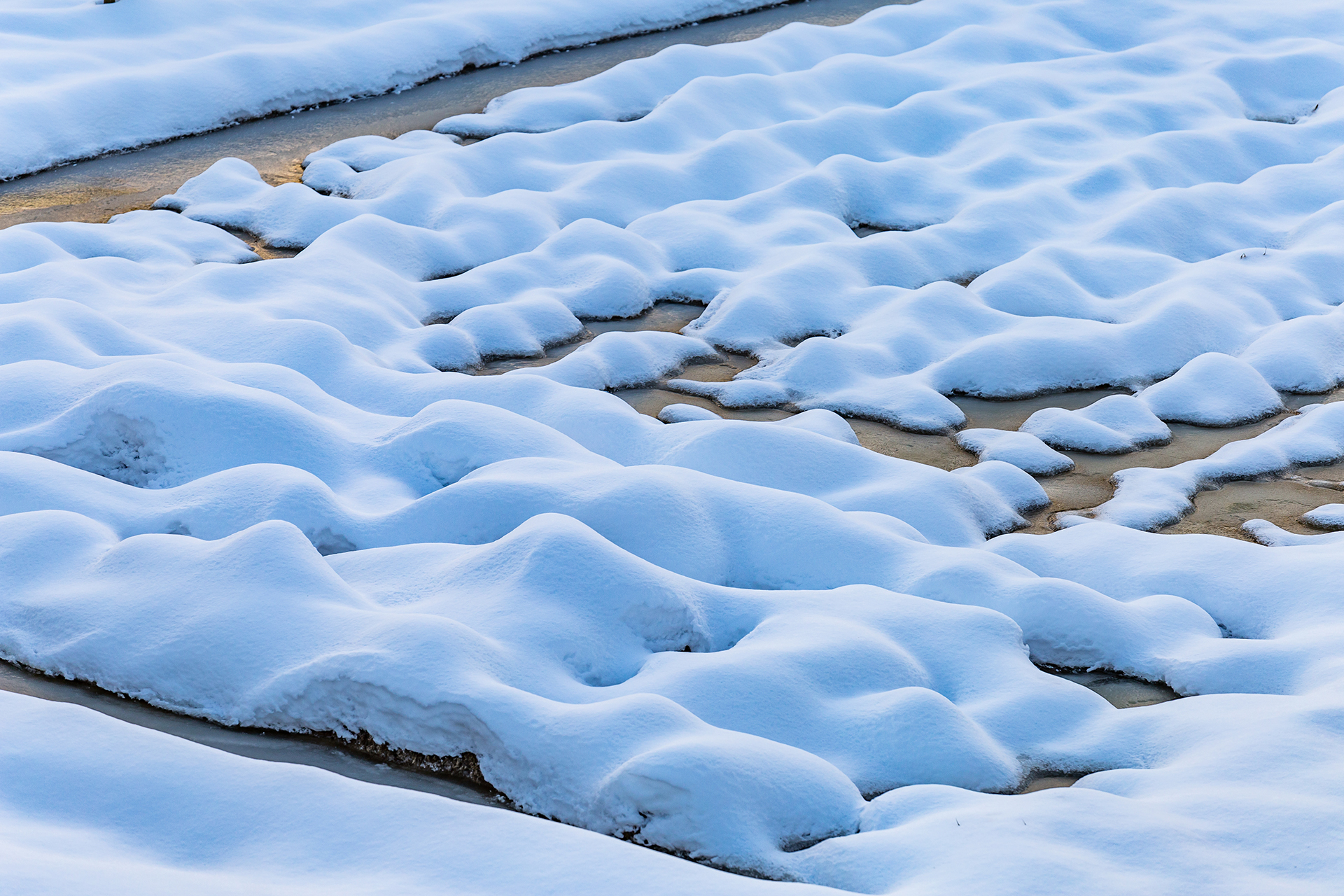
When Snowmelt Leads to Pipe Trouble
New England winters are hard on everything—roads, roofs, driveways, and especially the pipes buried beneath them. As temperatures drop and snow piles up, it’s easy to forget what’s going on underground. But when the thaw begins, hidden damage often comes to the surface. If you’ve noticed soggy patches in your yard or unusual moisture near your foundation after a snowstorm, it could be more than just runoff—it might be a sign of pipe trouble that needs attention.
How Freeze-Thaw Cycles Affect Underground Pipes
Winter puts a unique kind of stress on buried pipes. As the ground freezes, it expands slightly. Then, as temperatures rise, that frozen soil contracts again. These constant shifts—known as freeze-thaw cycles—can strain joints, crack older pipe materials, or worsen existing weak spots in the system.
This movement is especially hard on:
- Clay or cast iron pipes, which are less flexible and more likely to crack under pressure
- Pipes beneath driveways or patios, where surrounding concrete adds additional rigidity
- Poorly supported piping, which may shift or sag with unstable soil movement
The result is often small cracks or separations that allow water to leak out—or worse, soil to infiltrate the line. These issues usually don’t cause immediate failure, but they set the stage for problems when snowmelt floods the system with more water than it can handle.
What Snowmelt Can Reveal About Cracks or Misalignments
As snow begins to melt, runoff should naturally move away from your home through your drainage systems and sewer lines. But if those lines are damaged, clogged, or misaligned, the melting snow has nowhere to go—and that’s when the warning signs start showing up.
Keep an eye out for:
- Pooled water near foundation walls or basements, which could indicate poor drainage or a pipe break under the slab
- Soggy lawn patches long after the surrounding areas have dried out
- Slow drains or unusual gurgling inside your home, especially during the melt
- Sewer odors, which may leak through cracks or open joints in underground lines
In many cases, snowmelt is what finally exposes a problem that’s been developing slowly over time. The extra water entering the system acts like a stress test—and damaged lines often fail that test.
Common Signs of Foundation or Slab Pipe Damage During Runoff
Some of the most serious pipe failures happen beneath the surface—under your foundation or slab. These are also the hardest to spot without knowing what to look for. As snowmelt runs off and tries to drain away from your property, broken or misaligned pipes beneath the home can let water pool or even seep inside.
Look for these red flags:
- Wet flooring or baseboards along lower levels or in finished basements
- Cracks in interior walls or floors that appear or worsen during the melt
- Persistent musty smells, even after cleaning or airing out affected areas
- Unexplained foundation settling or shifts in door frames
If snowmelt runoff isn’t moving away from your property as expected—or is finding its way inside—it’s worth inspecting your underground lines. Early detection can prevent long-term structural damage and mold issues.
Why Traditional Excavation Isn’t Ideal for Winter Response
Digging in winter is no easy task. Cold soil becomes compacted and frozen, making excavation slower, more expensive, and more disruptive. Add snow, ice, or hardscaping like walkways or driveways into the mix, and traditional repair methods become even more challenging.
Typical excavation methods often mean:
- Heavy machinery that damages landscaping or pavement
- Delays due to frozen ground or snow-covered work areas
- Greater costs to restore driveways, patios, or finished indoor spaces
These obstacles can delay important repairs and increase the total project cost—especially when issues could have been fixed faster and more efficiently using trenchless methods.
How Trenchless Pipe Repair Handles Seasonal Challenges
Our trenchless pipe repair solutions are designed to work year-round—even in freezing temperatures. Whether we’re dealing with broken drain lines under a walkway or cracked pipes beneath your basement slab, we can restore functionality without digging up your property.
Here’s why trenchless technology is ideal for winter:
- UV-cured liners can be installed through small access points, regardless of snow or frozen ground
- No need for open trenching, which keeps your yard, driveway, and interior finishes intact
- Minimal downtime, so you’re not waiting days or weeks for repairs to be completed
By fixing pipes from the inside out, we eliminate the mess and delays that come with traditional digging. That’s especially helpful when winter weather complicates access or makes restoration work more expensive.
Plan Ahead Before Winter Damage Becomes Spring Cleanup
If snowmelt is revealing signs of trouble, don’t wait for spring to take action. Cold weather doesn’t stop trenchless pipe repair—in fact, it’s one of the best times to catch and fix damage before it spreads. Whether you’re dealing with drain line issues under a foundation or pooling runoff in your yard, we can inspect and repair underground pipes without excavation.
To learn more or schedule a winter inspection, contact us. Our zero-dig solutions are built to handle the challenges of New England winters—without tearing up your property in the process.
Contact
Our Team Today
For more information about us or any of our trenchless pipe repair or replacement services, get in touch with us at Trenchless Pipe Repair of New England today. Call our team or fill out the form to schedule an appointment. Make your stress our stress today and let us help you get back to normal life with your family or running your business and serving your own clients and worry about more important things…like how the New England Patriots or Boston Red Sox are going to do next year.