
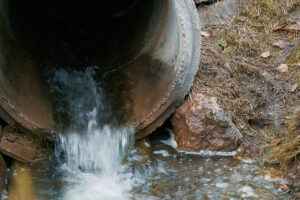
What Happens When a Sewer Pipe Develops a Belly
What Happens When a Sewer Pipe Develops a Belly A healthy sewer line relies on a consistent downward slope to move wastewater away from a home or building. When part of that pipe sinks or settles, it can create a low spot where water and debris begin to collect. This condition is commonly called a…
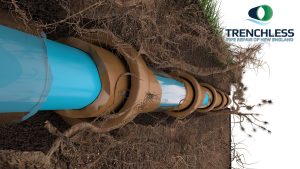
How Trenchless Pipe Repair Works in Difficult-to-Reach Areas
How Trenchless Pipe Repair Works in Difficult-to-Reach Areas Underground pipe damage is frustrating enough when the affected line is easy to reach. When that pipe runs beneath a building, driveway, parking area, patio, or other developed part of a property, traditional repair methods can create an entirely different challenge. Reaching the damaged pipe through excavation…

Why Sewer Camera Inspections Save Time and Money
Why Sewer Camera Inspections Save Time and Money When a sewer line starts causing problems, it’s easy to assume the issue is a simple clog. However, recurring backups, slow drains, and unpleasant odors are often symptoms of a larger structural problem hidden underground. Without knowing exactly what’s happening inside the pipe, repairs can become more…

How Tree Roots Continue to Threaten Sewer Lines Into Fall
How Tree Roots Continue to Threaten Sewer Lines Into Fall Many people associate tree root problems with spring and summer, but the risk doesn’t disappear when the weather begins to cool. In fact, early fall is often when underground sewer line damage caused by root intrusion becomes more noticeable. As roots continue searching for moisture…
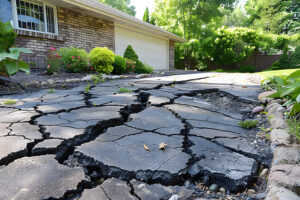
How Aging Sewer Lines Impact Property Value
How Aging Sewer Lines Impact Property Value When people think about maintaining or improving a property’s value, they often focus on visible upgrades like roofing, landscaping, or remodeling. However, one of the most important parts of a home or commercial building is hidden underground. Aging sewer lines can gradually develop structural problems that affect the…

Why Late Summer Is the Best Time to Address Sewer Line Problems
Why Late Summer Is the Best Time to Address Sewer Line Problems Late summer is an ideal time to take a closer look at the condition of your sewer system. Months of heat, dry weather, increased water usage, and active root growth can place additional stress on underground pipes. If your sewer line has developed…

How Sewer Line Leaks Impact Foundations and Hardscaped Areas
How Sewer Line Leaks Impact Foundations and Hardscaped Areas Many sewer line leaks begin out of sight and remain unnoticed for long periods of time. Because these pipes are buried underground, property owners often don’t realize there’s a problem until visible damage begins affecting their home, building, or surrounding property. Unfortunately, even a small leak…

Understanding the Difference Between Pipe Damage and Drain Blockages
When drains begin slowing down or backing up, many property owners assume the problem is a simple clog. In some cases, that’s true. However, recurring drainage issues can also point to structural damage within the sewer line itself. Knowing the difference between a blockage and a damaged pipe is important because the solution for each…
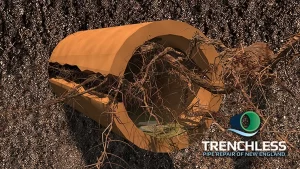
Why Small Sewer Line Cracks Become Bigger Problems in Summer
Why Small Sewer Line Cracks Become Bigger Problems in Summer A small crack in a sewer line may not seem like an urgent issue at first. In many cases, property owners don’t even realize the damage exists until symptoms begin appearing months later. But during the summer, changing soil conditions, increased water usage, and active…

How Sewer Line Damage Affects Commercial and Multi-Unit Properties
How Sewer Line Damage Affects Commercial and Multi-Unit Properties Sewer line problems can create major challenges for commercial buildings and multi-unit properties. Unlike a single-family home, these systems often support multiple tenants, businesses, or units at the same time. That means even a small underground pipe issue can quickly affect many people at once. For…